
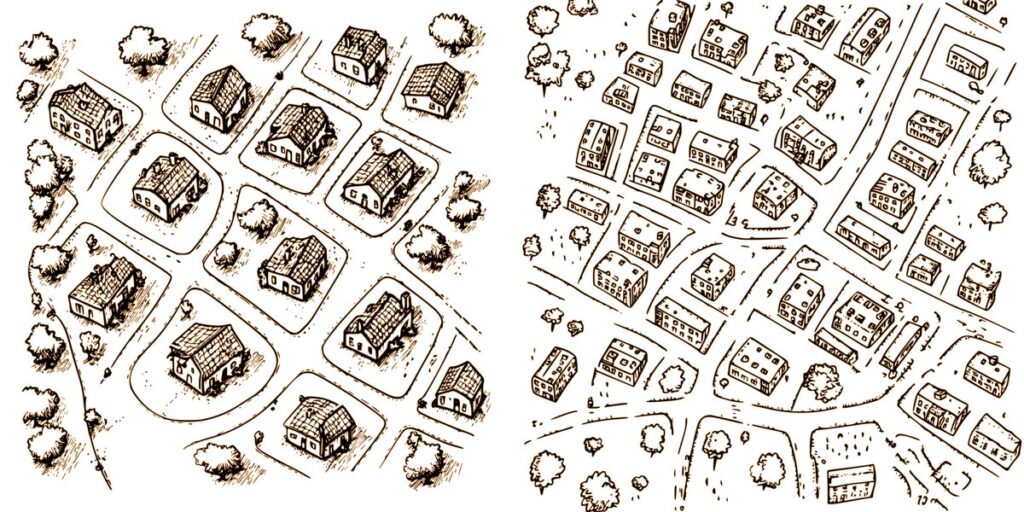
Nestled in the lush westernmost reaches of El Paso, the Upper Valley neighborhood is a treasure trove of history, culture, and scenic beauty. More than just a charming residential area, it embodies the essence of El Paso’s vibrant past, shaped by the ebb and flow of the Rio Grande and the generations of families who’ve called it home. As you drive down Country Club Road, past pecan orchards, horse stables, and hacienda-style estates, it’s easy to see why the Upper Valley’s story is best told by those who live and love here.
Roots Along the Rio Grande: How Upper Valley Got Its Name
The story of Upper Valley begins with its geography. The neighborhood stretches along the upper banks of the Rio Grande—hence its name—forming a fertile valley that’s been a gathering place for centuries. Long before asphalt and rooftops, this area was a lush floodplain, rich with native cottonwoods and teeming wildlife. Indigenous peoples, including the Manso and later the Tigua, cultivated the valley, drawn by its steady water supply and verdant soils.
With the arrival of Spanish settlers in the 17th and 18th centuries, the Upper Valley became part of the vast land grants known as ranchos. Over time, these ranchos gave rise to small settlement communities, laying down the first roots for what would evolve into today’s neighborhood.
Landmarks That Tell the Tale
Upper Valley’s unique landscape is dotted with landmarks that serve as living reminders of its pastoral legacy:
- Country Club Road: Once the main artery through the heart of the valley, this winding street remains the neighborhood’s lifeline, bordering some of the oldest and grandest properties in El Paso.
- El Paso Country Club: Founded in 1906, the country club is a local icon. Its storied fairways have hosted socialites, sports figures, and even Hollywood stars, offering a green oasis still beloved by neighborhood families.
- La Union Maze and Licon Dairy: Just a stone’s throw to the north, these family-run enterprises harken back to the area’s farming roots and draw crowds each fall for harvest festivals, hayrides, and traditional treats.
These places, along with historic homes on streets like Frontera and Sunset, echo the neighborhood’s agricultural beginnings and enduring sense of community.
Key Historical Milestones
The Upper Valley’s transformation from rural farmlands into a premier residential neighborhood is marked by several pivotal moments:
- Agricultural Era (1800s–1950s): For much of its history, the Valley was farmland—cotton, alfalfa, and pecan orchards dominated the landscape. Irrigation canals (acequias), many of which still crisscross the area, channeled water from the Rio Grande to thirsty crops and homesteads.
- Flood of 1941: A significant event was the devastating Rio Grande flood, which reshaped the land, prompting improvements in flood control infrastructure and later suburban development.
- Postwar Development (1960s-1980s): As El Paso grew, families from across the city discovered the Valley’s tranquil charm. Ranch-style homes, bridle paths, and parks began replacing fields, signaling a new chapter in the neighborhood’s evolution.
Notable Institutions and Community Spaces
Upper Valley’s warmth lies not only in its landscape but in its gathering spaces and community life:
- Zach White Elementary: Established in 1967, Zach White Elementary became an academic cornerstone, nurturing generations of Valley kids through the decades.
- Westside Community Park: Located off E. Redd Road, this relatively new community hub offers spacious fields and playgrounds—perfect for family picnics or evening strolls under the cottonwood trees.
- The Rio Grande and Valley Trails: Residents cherish easy access to the river levees and dirt trails crisscrossing the valley, ideal for horseback riding, jogging, and birdwatching.
These places aren’t just locations—they’re scenes in the ongoing story of neighbors who gather for chili cook-offs, Fourth of July parades, and the timeless pleasure of watching the sun set over the Franklin Mountains.
A Neighborhood Shaped by Heritage and Progress
What makes Upper Valley truly unique is its harmonious blend of old and new. Elegant haciendas with hand-carved doors sit beside modern estates with adobe-inspired architecture. Sprawling pecan groves and horses grazing on pastureland remind us of the Valley’s agricultural heart, even as boutique shops and bustling cafes appear along Doniphan Drive.
Many residents can trace their roots here back generations, while newcomers are warmly welcomed into the fold, eager to preserve the traditions of block parties, farmers’ markets, and equestrian events.
Continuing Evolution
In recent years, Upper Valley has seen thoughtful development, balancing preservation with progress. Community groups and local leaders work to maintain the region’s rural charm—advocating for sustainable growth, open green spaces, and the protection of historic farmland.
The Valley’s diverse population reflects greater El Paso itself: families from both sides of the border, military families from Fort Bliss, and retirees seeking peace amid the cottonwoods. This tapestry of backgrounds infuses the neighborhood with energy and resilience.
Why Neighbors Love Upper Valley
Ask any local, and you’ll hear what makes the Upper Valley special:
- Wide, tree-lined avenues and peaceful lanes like Lindbergh, E. Sunset, and Upper Valley Road
- Friendly waves from horseback riders at dusk
- The irresistible aroma of roasting chiles drifting from backyard grills
- Crystal-clear views of sunsets over the Rio Grande
It’s a neighborhood where stories run deep and every street corner holds a piece of El Paso’s pioneering spirit.
Come Discover the Spirit of Upper Valley
Whether you’re strolling beneath the shade of century-old pecans on Montoya Drive, visiting the La Union Maze in autumn, or enjoying a game at the Country Club, Upper Valley invites you to slow down and savor a piece of the city untouched by time. Here, heritage and progress blend naturally, and neighbors—new and old—carry forward the spirit that has defined this corner of the Borderland for centuries.
For those seeking a place where the past and present dance together beneath wide West Texas skies, Upper Valley is—and will always be—a place to call home.